The Invisible Factor That Makes Premium Projects Work
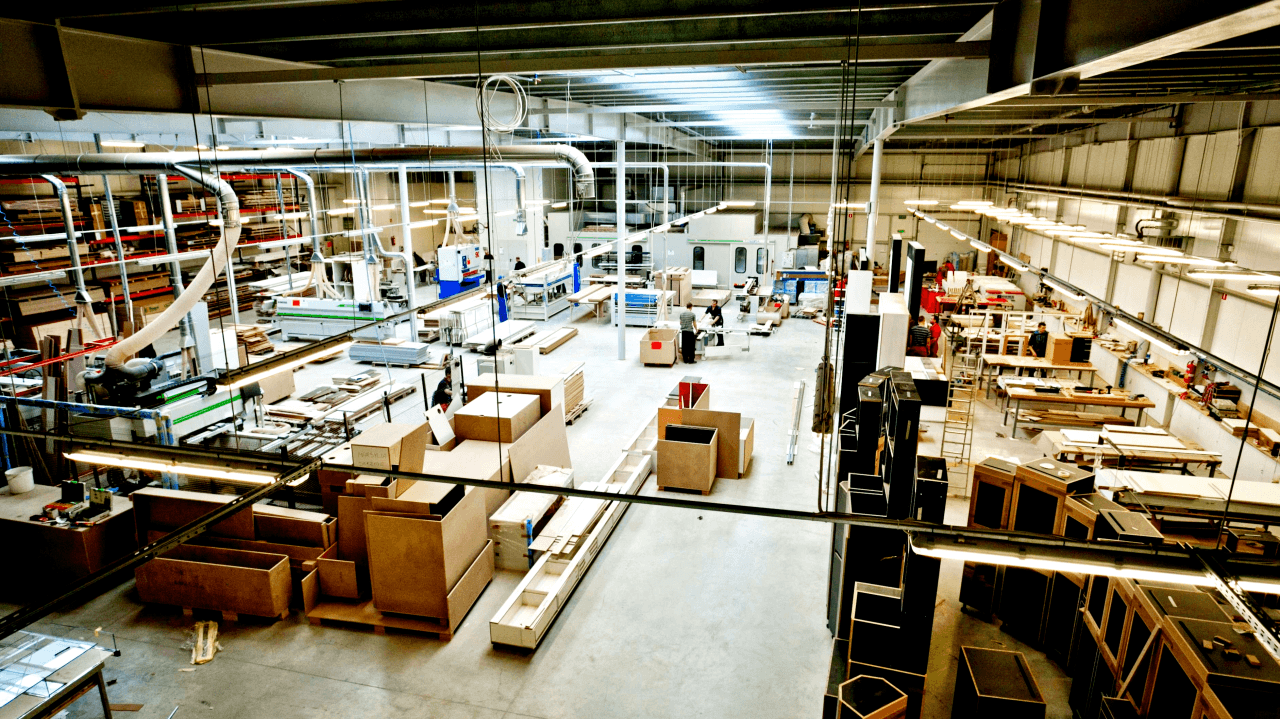
Between our production facility in Poland and installation sites across Europe and beyond, there are thousands of kilometers, multiple border crossings, and several hundred potential points of failure.
Most people see the finished result: a flawlessly installed retail interior for a luxury brand. What they don't see is the logistics operation that made it possible. This is the story of what happens between "ready to ship" and "installed on site."
The Invisible Layer of Expertise
People see the finished installation. They don’t see the route planning for oversized custom crates navigating city center height restrictions. They don’t see the backup plans for backup plans. They don’t see the coordination to ensure fixed-time delivery windows at shopping centers or airport retail zones.
At WRS Interior Solutions, we’ve spent nearly two decades building this invisible expertise. Our logistics knowledge isn’t an afterthought or a vendor relationship. It’s core to how we deliver on ambitious design visions.
Let’s talk about what that actually means.
Why Standard Transport Fails for Premium Projects
Standard furniture can survive a transshipment. Load it at the origin, reload it at a consolidation hub, deliver from there.
For the materials we work with, that’s an unacceptable risk.
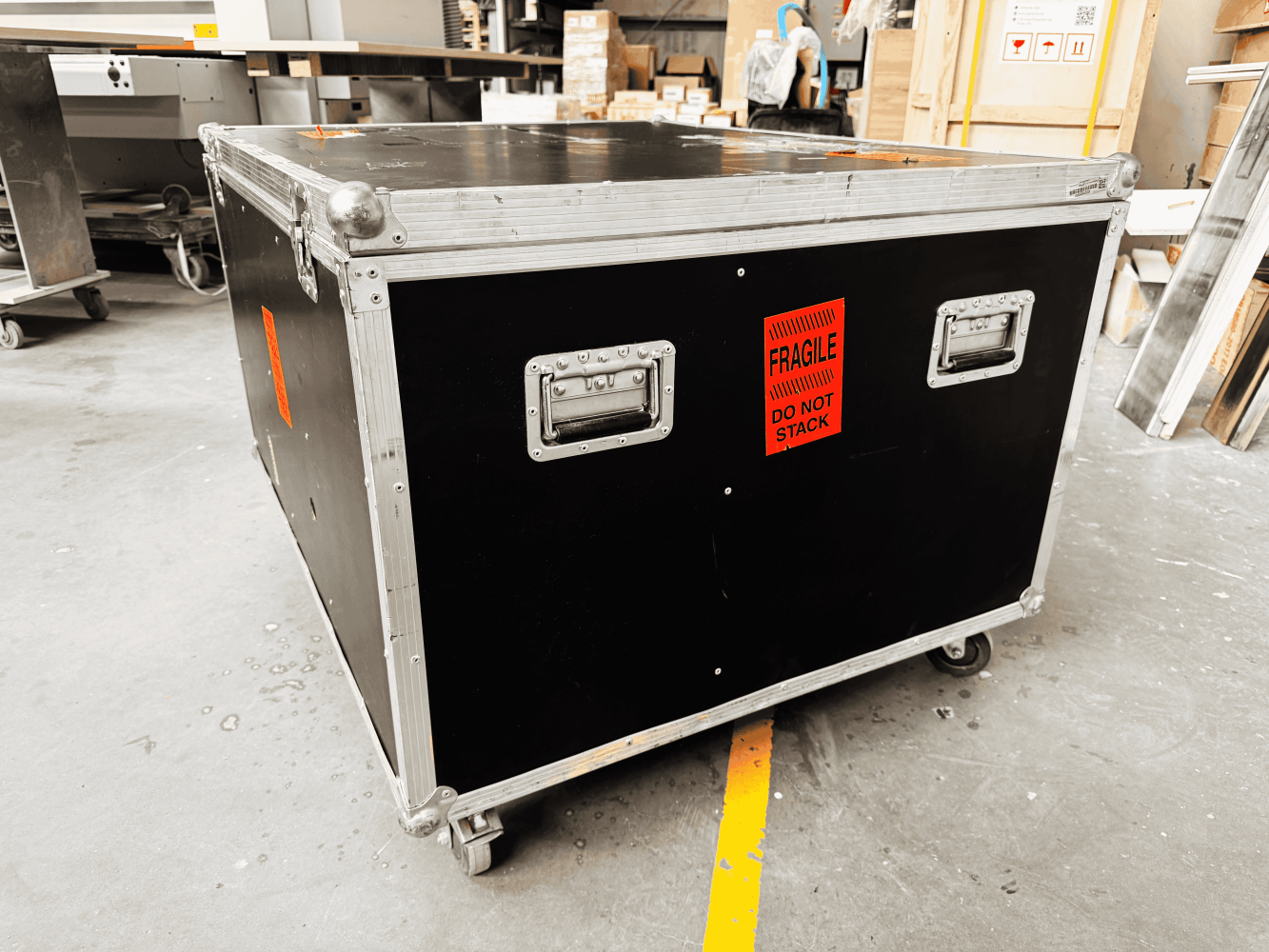
Rare marble that took six months to source and another two to machine can fracture from a single rough handling incident. Backlit glass panels with embedded electronics don’t get second chances. Hand-finished wood surfaces show every fingerprint.
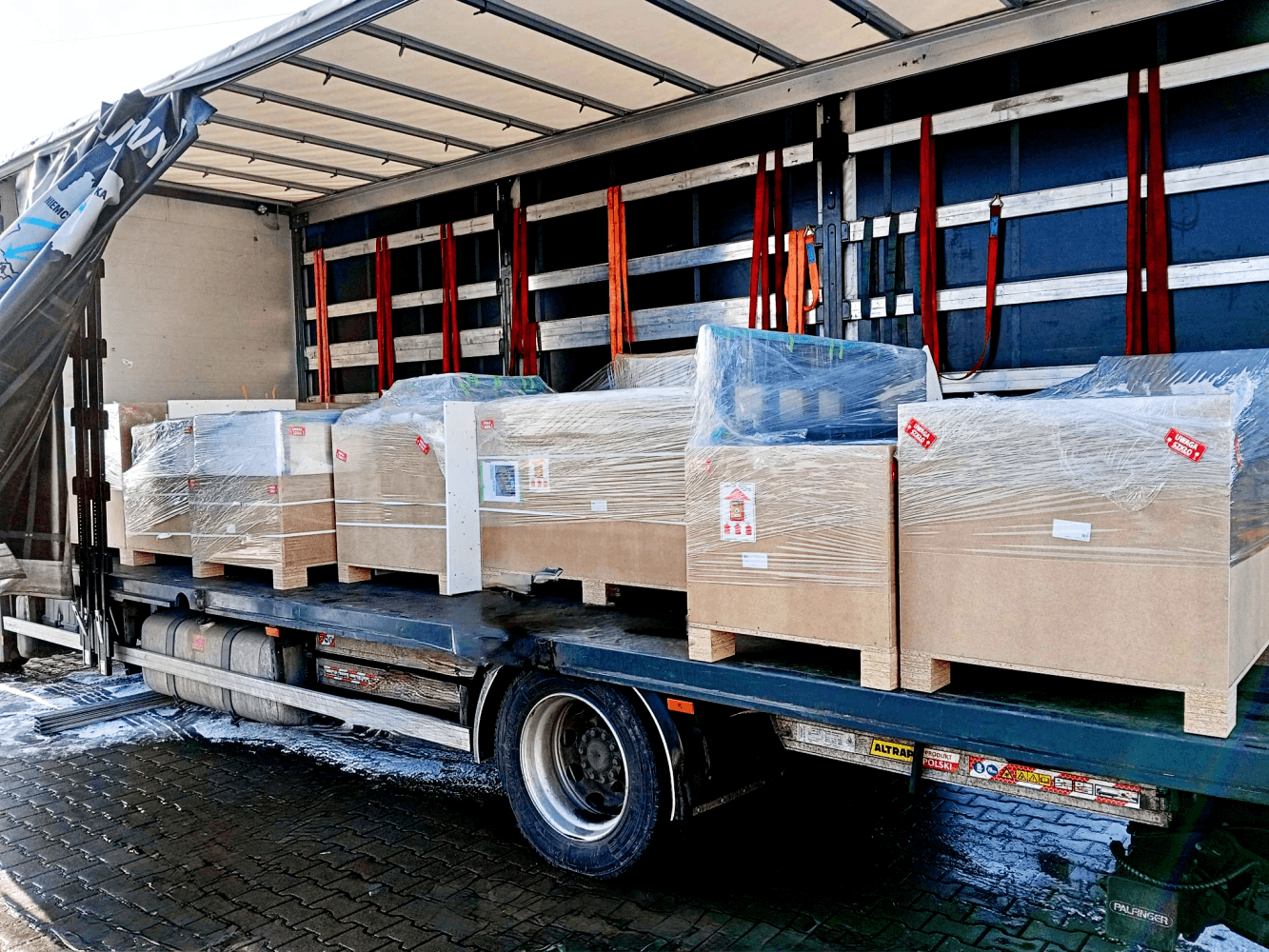
So we operate on a different principle: minimize handling, eliminate transshipment wherever possible, and treat every load as if the client is watching.
That means direct transport even to distant markets. It means drivers who understand they’re not just moving furniture. It means backup plans that don’t involve reloading cargo onto different vehicles mid-route.
The Last-Mile Problem (That Starts 2,000 Kilometers Earlier)
Here’s a scenario we navigate regularly:
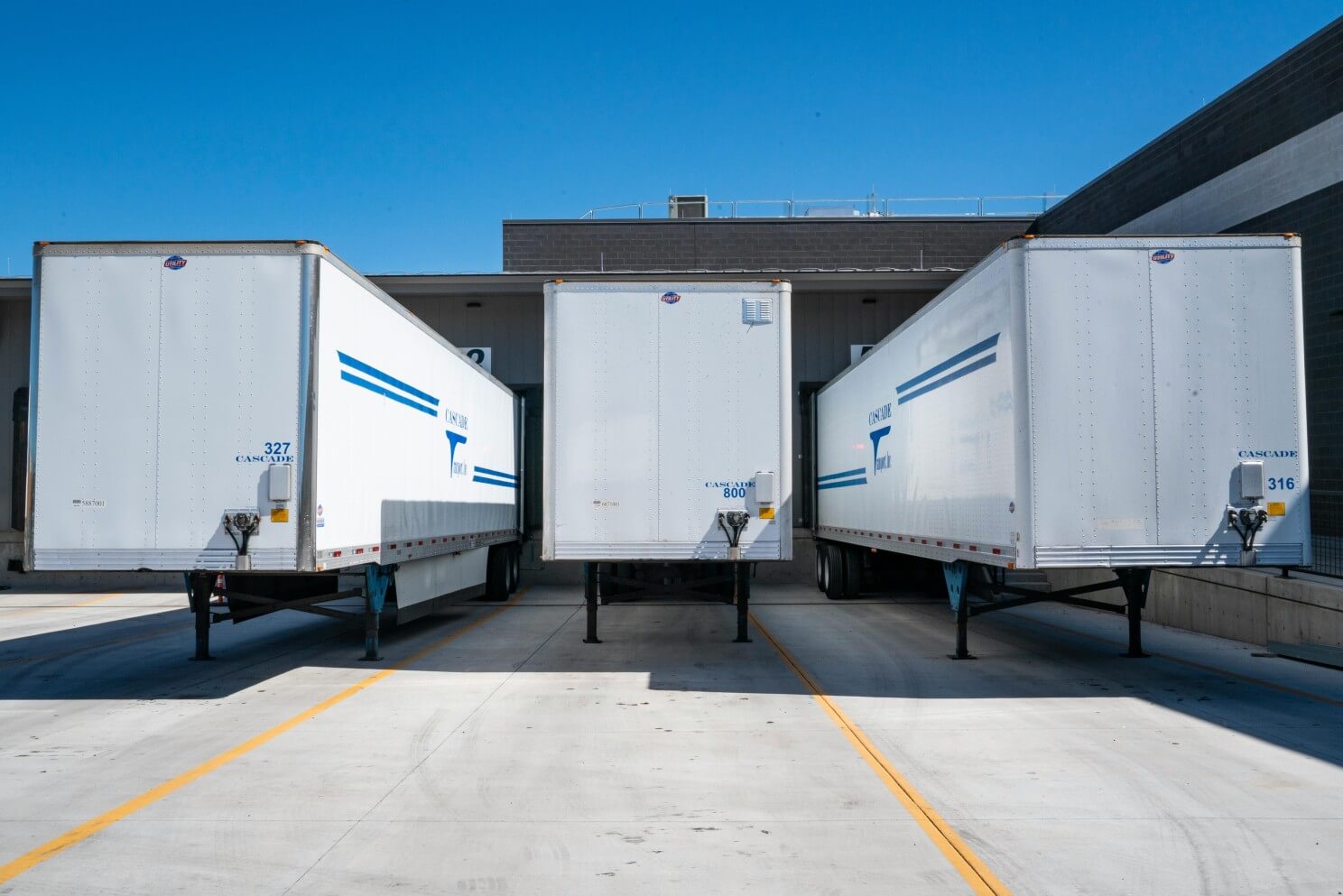
A boutique installation in a European city center. Historic buildings, narrow streets with height clearance under archways. Access limited to overnight hours only. Non-negotiable delivery windows. The crates are ready in our Polish workshop.
This single delivery requires:
- Calculating that what could fit on one 15-pallet truck must instead travel on three smaller vehicles to meet height and access restrictions
- Identifying where those vehicles can legally stop within a workable distance
- Coordinating with installation teams for manual transport through restricted zones
- Arranging backup vehicles in case of breakdown (because missing that time window means waiting another week)
- Building contingency for customs delays, traffic, or any of the hundred small things that can derail a schedule
This is before we even discuss the actual quality of the transport itself.
What Premium Cargo Actually Demands
Standard furniture can survive a transshipment. Load it at the origin, reload it at a consolidation hub, deliver from there.
For the materials we work with, that’s an unacceptable risk.
Rare marble that took six months to source and another two to machine can fracture from a single rough handling incident. Backlit glass panels with embedded electronics don’t get second chances. Hand-finished wood surfaces show every fingerprint.
So we operate on a different principle: minimize handling, eliminate transshipment wherever possible, and treat every load as if the client is watching.
That means direct transport even to distant markets. It means drivers who understand they’re not just moving furniture. It means backup plans that don’t involve reloading cargo onto different vehicles mid-route.
The Human Factor Nobody Plans For
You can plan routes perfectly. You can have backup vehicles ready. You can account for customs protocols and delivery time windows.
But logistics ultimately depends on people. And people are unpredictable.
Drivers can quit mid-route. They can get sick. They can make mistakes. Transport partners across the industry have some really interesting stories: i.e., the driver who, in a moment of frustration, threw his keys into the fuel tank and walked away from the vehicle entirely…
These human factors are exactly why deep relationships with reliable transport partners matter. Why backup networks across markets are essential. Why flexibility gets built into every timeline.
Project managers don’t need to know about these contingencies. That’s the point. They hand over the delivery requirements, and the complexity gets managed, regardless of what complications arise between point A and point B.
Real-World Complexity: Five Examples
The Iceland Case Delivering custom retail furniture to Iceland requires understanding maritime shipping schedules, Icelandic import regulations, and weather windows. It’s not particularly common, but it requires specific knowledge most furniture manufacturers don’t maintain. We do, because premium brands open stores everywhere, and “we don’t ship there” isn’t an acceptable answer. As one of our transport partners noted, these distant destinations are exactly what makes the work satisfying.
The Swiss Time Window Problem Switzerland requires import customs clearance before delivery. Targeting a 7 AM delivery time in a Swiss city creates a challenge: customs offices open at 9 AM. That means the truck needs to be loaded days earlier than the transit time alone would suggest, accounting for the customs timing. Standard logistics planning would miss this entirely.
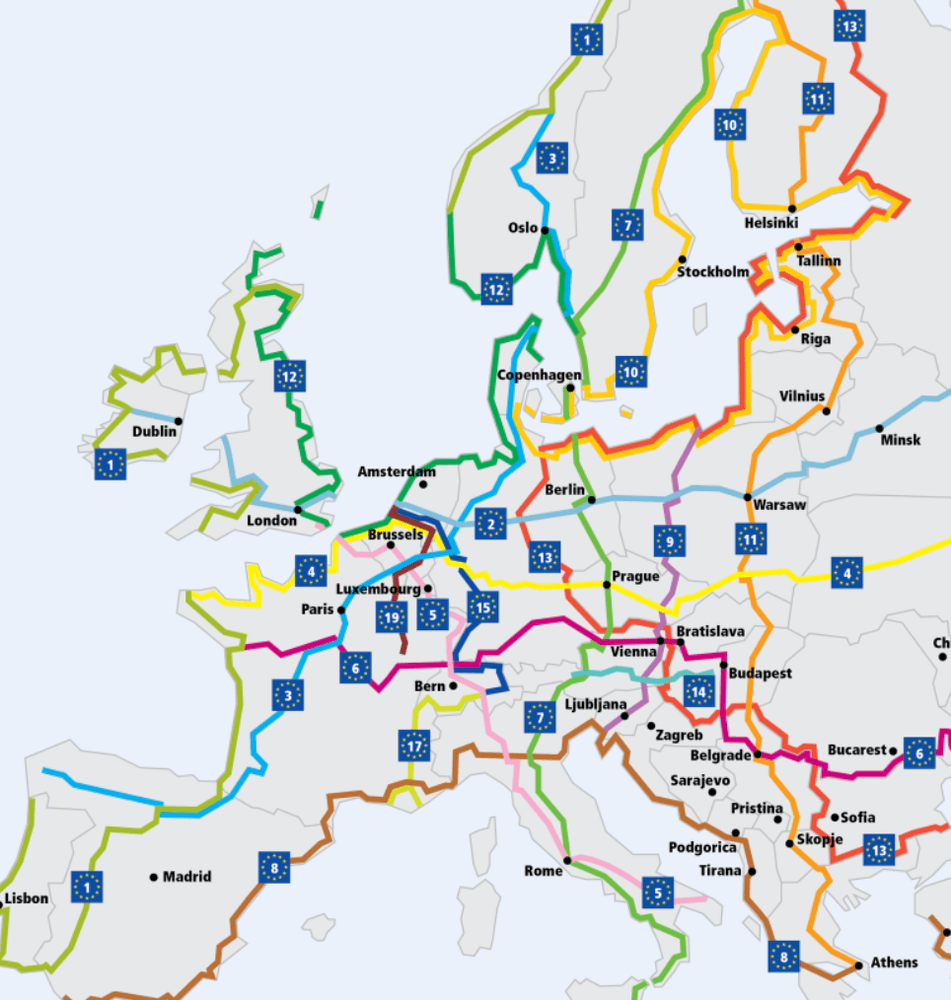
Kazakhstan and the Caucasus Routes Delivering to Kazakhstan or Caucasus countries presents unique challenges. Before the war in Ukraine, these routes ran through Belarus and Russia. Now they require rerouting through Turkey, adding days to transit times. For a delivery to Armenia, there’s an additional complication: the Turkish-Armenian border has been closed since the 1990s, requiring a detour through Georgia. These geopolitical realities require constantly updated routing knowledge that most manufacturers simply don’t track.
The Shopping Center Registration Requirements Delivering to high-end retail spaces in shopping centers often means submitting vehicle registration numbers 2-3 weeks in advance. In transport, three weeks is an eternity. Vehicles break down. Drivers change. Plans shift. We build buffers and backup options for exactly this reason.
The Turkish Border Peculiarity Turkey requires EU shipments to clear through bonded warehouses, where cargo is unloaded, inspected, and reloaded onto local Turkish vehicles. For most cargo, this is standard procedure. For fragile custom installations, it’s a risk we minimize by using dedicated full-truck loads that can bypass the warehouse system and deliver directly. This requires specific knowledge of Turkish customs regulations and viable alternatives.
What This Means for Project Managers
Project managers working with luxury brands face intense pressure. Timelines are non-negotiable. Budgets are scrutinized. Quality expectations are absolute. And they’re coordinating dozens of specialist vendors: architects, designers, contractors, installers.
Every vendor relationship is a potential point of failure.
This is where our comprehensive approach creates value. We don’t just manufacture furniture. We own the entire journey from engineering through delivery and installation.
One partner. One point of accountability. One team that understands how design decisions in the engineering phase affect transport feasibility and installation complexity.
That’s what lets project managers sleep soundly. The complexity still exists, but they’re not the ones managing it.
Why This Matters for Designers
Designers and architects working with premium brands care about bringing their vision to life. They’re not logistics experts, and they shouldn’t need to be.
But ambitious designs create transport challenges. Oversized pieces. Unusual materials. Tight installation tolerances.
Working with a manufacturer who treats logistics as someone else’s problem turns these challenges into your emergency. You get the call that the stone cracked in transit. You’re explaining why installation is delayed because the truck couldn’t access the site.
A comprehensive approach accounts for transport and installation feasibility from the earliest engineering stages. If a design creates logistical complexity, it gets flagged early with proposed solutions. If there’s a delivery commitment, it gets honored.
Moving boxes is mechanical. Protecting the creative vision through every stage of execution requires genuine partnership.
The Part That Can’t Be Automated
There’s a lot of talk about automation and AI in logistics. Route optimization, load planning, real-time tracking.
These tools are valuable, we use them. But they can’t solve the real challenges of premium furniture transport. An algorithm can’t recognize that a specific stone variety is prone to fracture under vibration. It can’t make a judgment call on whether to hold a truck overnight rather than risk a rushed delivery. It can’t build relationships with customs brokers or negotiate with mall management about access windows.
The complex, high-stakes projects we handle require human expertise, judgment, and commitment. They require people who understand that this isn’t just another load, it’s a piece of someone’s creative vision and months of their work.
That expertise is what we’ve spent two decades building.
The Unsexy Truth About Premium Projects
Flawless installations make beautiful portfolio pieces. They win design awards. They become showroom centerpieces for luxury brands.
But behind every flawless installation is a logistics operation that nobody photographs. Route planning that accounts for medieval city layouts. Backup vehicles positioned across Europe. Drivers who understand that “fragile” means something different when you’re transporting irreplaceable custom work.
This is the unsexy truth about premium furniture projects: success depends just as much on what happens in transit as what happens in the workshop or on the installation site.
And for project managers and designers working with demanding brands, that’s exactly why choosing the right partner matters. Not just someone who can make beautiful furniture, but someone who can ensure it arrives intact, on time, in the right place.
Every time.